
Upgrading Industrial Warehouses to Meet Modern Demand
The industrial real estate sector continues to evolve as tenants push for space that supports automation and modern logistics. Older warehouses are losing ground because they do not meet current tenant needs. In response, owners are investing heavily in upgrades to remain competitive and retain occupancy. This shift highlights broader trends in industrial real estate where functionality and future-readiness are becoming major value drivers.
Why Upgrades Matter Now
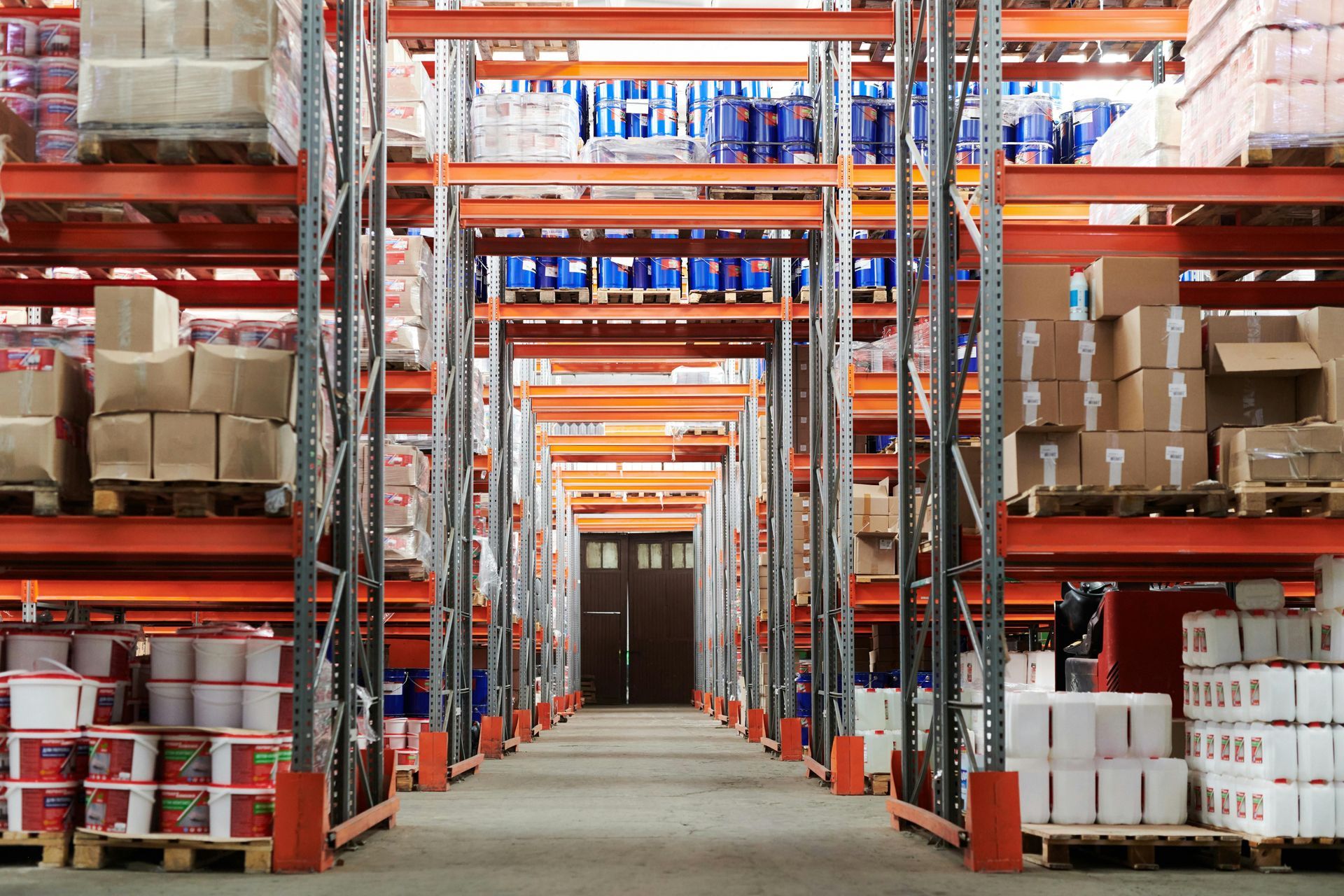
The demand for modern industrial space is rooted in how logistics and supply chain operations have changed. Tenants increasingly rely on automation and advanced material-handling systems to increase throughput and reduce costs. These technologies require taller ceilings, stronger power infrastructure, and open floor plans. Many existing buildings do not provide these features.
As a result, industrial owners and developers are lifting ceilings, strengthening electrical capacity, and enhancing overall building systems to meet these expectations. Projects that increase clear height make older space more appealing to tenants who have come to view 36-to-40-foot ceiling heights as standard. Buildings constructed before 2010 mostly offered 30-to-32-foot clear heights, which now puts them at a disadvantage.
This shift in demand reflects how tenant priorities have changed. Where basic warehouse space was once sufficient, tenants now select facilities based on their ability to support automation and logistics technology. Upgraded buildings must also deliver reliable power capacity to ensure uninterrupted operations.
The Impact on Older Warehouses
The consequences for older industrial inventory have been significant. CoStar reports that warehouses over 100,000 square feet built before 2010 have lost more than 325 million square feet of occupancy between 2023 and 2025. Of that decline, properties built in the early 2000s account for roughly 86 million square feet. This loss shows that tenants are actively moving away from older buildings in favor of newer or retrofitted facilities that better fit modern industrial needs.
This trend has direct implications for asset owners. Vacancy and negative net absorption in outdated warehouses pressure owners to rethink their strategies. Instead of listing these properties at a discount, some owners are choosing to invest in upgrades to reposition their assets and attract tenants seeking modern functionality.
Types of Upgrades and Costs
Owners are taking different approaches when upgrading their properties. One of the most visible changes is roof-raising to increase clear height, which allows for higher racking systems and more efficient use of volume. Depending on the building size and complexity of the project, roof-raising can cost anywhere from $1.5 million to $8 million.
In addition to roof-raising, owners invest in electrical capacity upgrades so that properties can support advanced material handling, robotics and heavy-duty machinery. These investments strengthen the appeal of the property to prospective tenants who view power infrastructure as a critical component of operational readiness.
Other renovation work can include exterior and envelope improvements, roof replacements, site enhancements, and upgrades to fire life safety systems. These investments help reposition older buildings closer to modern Class A industrial standards.
Investor and Tenant Response
Renovation activity is attracting interest from different types of industrial stakeholders. Investors are recognizing that retrofitting older space can be a value-creation strategy in markets with limited new construction or where land costs are high. Upgraded buildings capture tenant interest more effectively and can also command higher rents once repositioned.
Tenants are likewise adapting their real estate strategies. Many are prioritizing buildings that can accommodate their specific logistics requirements. This includes proximity to transportation infrastructure, availability of modern power capacity, and space configurations that support advanced operations.
In some markets, industrial upgrades have helped older buildings maintain relevance even as new construction continues. When upgrades align with tenant needs, older properties can compete more effectively with new builds and help owners protect long-term revenue streams.
Strategic Considerations for Owners
For owners evaluating upgrades, several key factors are driving decision-making. Clear height and power capacity are at the top of the list because they influence tenant demand directly. Buildings that cannot meet these criteria are more likely to lose market share.
Location also matters. Industrial properties with strong access to transportation networks and regional distribution hubs are better positioned to attract tenants even if they need upgrades. Owners in these locations may find it easier to justify renovation costs because tenants are already motivated by geographic advantages.
Another consideration is capital allocation. Upgrades require significant investment, and owners must weigh the cost of improvements against the potential increase in occupancy and rent. In some cases, repositioning properties through upgrades can be more cost-effective than new construction, especially in markets with high development barriers.
Broader Market Implications
These industrial upgrades reflect a broader trend in commercial real estate where functionality and operational efficiency increasingly influence real estate decisions. Investments that align buildings with tenant needs contribute to stronger occupancy and higher long-term asset value.
As industrial markets continue to evolve, owners who are proactive about modernizing assets may benefit more than those who wait for demand to shift further. Tenants are becoming more selective, and buildings that fail to meet current operational requirements risk falling behind.
Looking Ahead
The trend toward upgrading industrial warehouses is likely to persist as tenants continue to prioritize space that supports automation and technology-driven operations. Owners who invest strategically in their properties can enhance competitiveness and reinforce long-term market position.
In a market where tenant expectations are evolving rapidly and competition for high-quality industrial space remains strong, upgrades that improve clear height, power capacity and overall functionality are no longer optional. They are essential to meeting demand and maintaining asset performance in the modern industrial landscape.